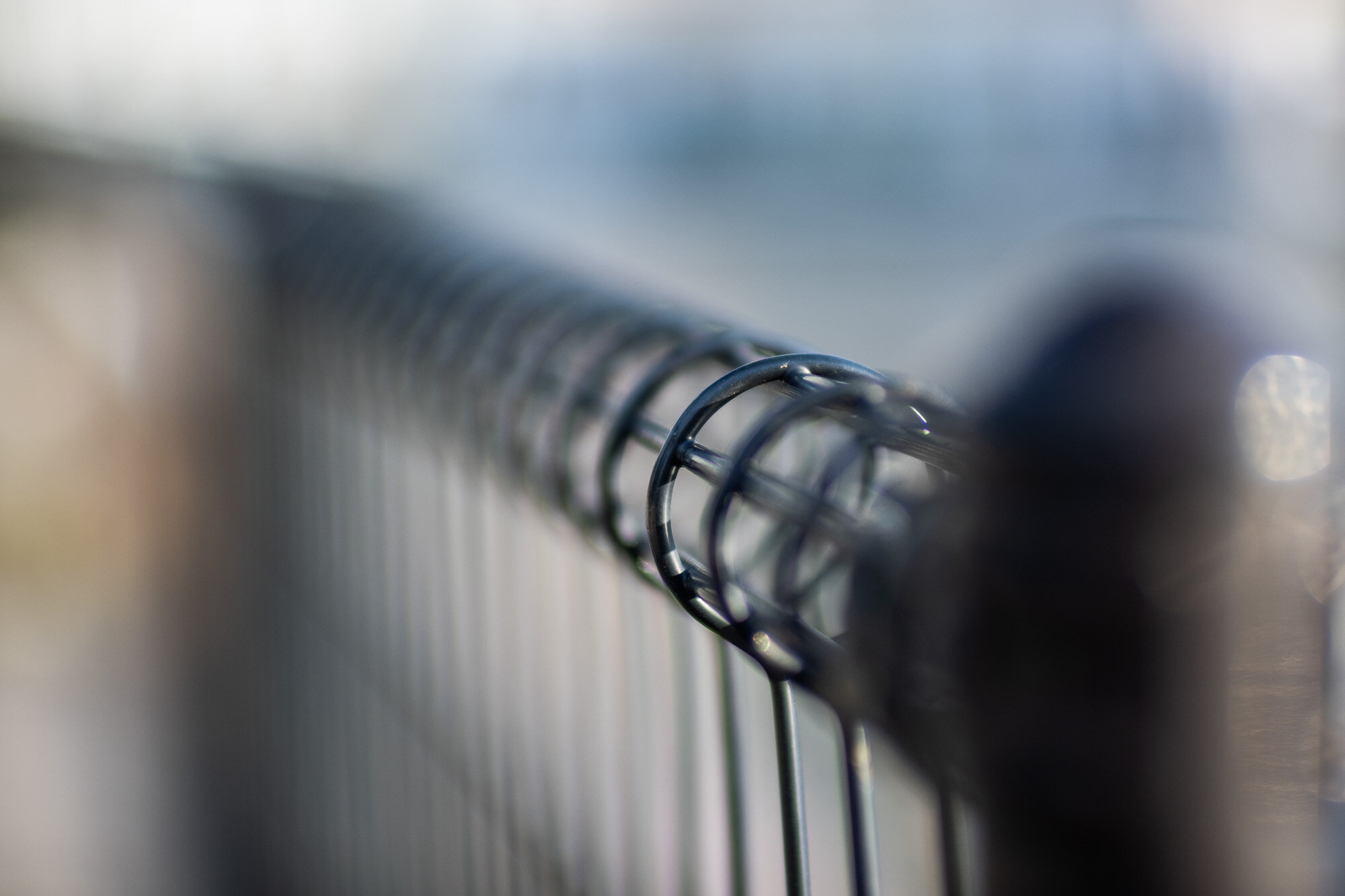
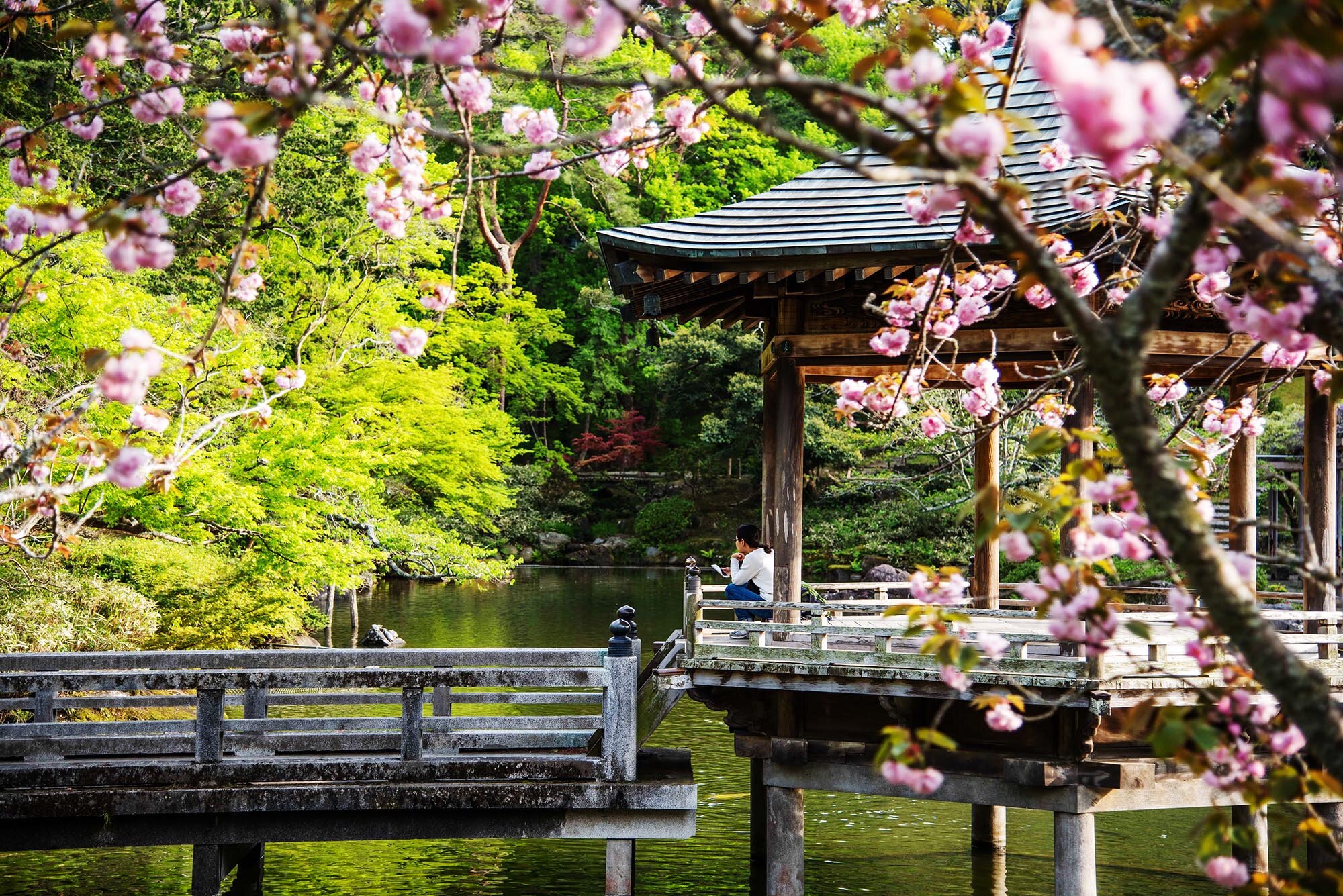
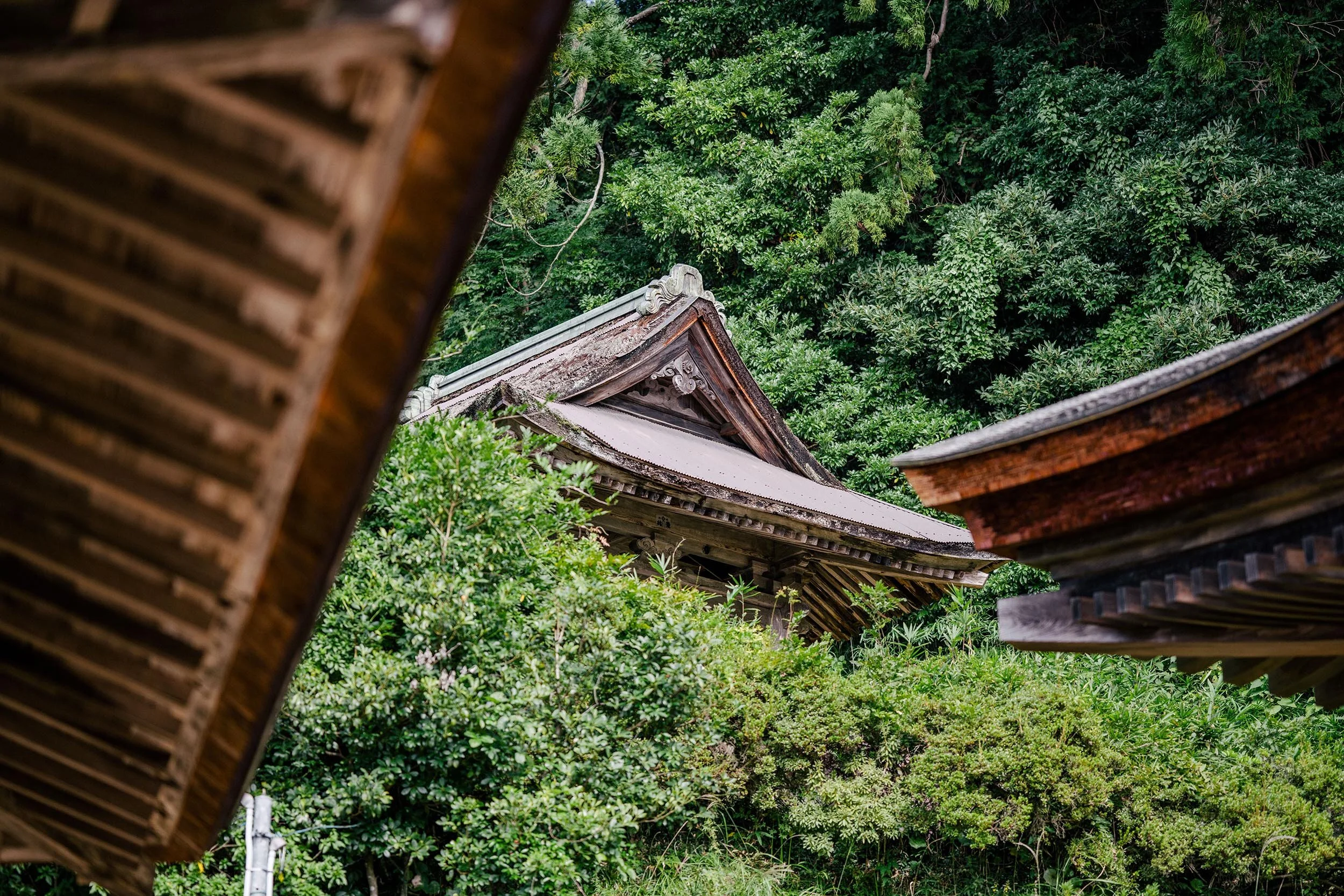
International visitors: Make sure to visit my photoblog: saidkarlsson.com/livedataI just posted some second impressions of the DP1, written 5 days after the first impressions. Head here to read it. I’ve now had the Sigma DP1 for about 24 hours, and here are some of my first impressions of it.dp1-test-1I’ve been looking forward to a camera like the DP1 for a very long time, and as soon as Sigma introduced it i was sure that i was going to get one. The camera was released here in Japan on the 3rd of march, but seems to be sold out everywhere. I was lucky enough to get the last one from Sakuraya at Shibuya in Tokyo for 95000 yen (Taxfree, normal price is 99900 yen), including a 4GB Panasonic SDHC-card.I’ve been using a Canon Eos 5D since it was released. A lovely camera that i use for everything from private party shots to serious work (i’m a freelance journalist and photographer, and besides that im also doing some stock photography for a swedish company called Folio.) To finally have a camera that (at least in theory) is able to deliver SLR-quality shots but still small enough to have in a pocket, has been something i’ve been looking forward to a long long time. I’ve tried some other compact cameras, Canon Powershot S80 and Richo GX100 to name a few, but neither of these could deliver images with quality high enough for me to regard as usable from a commercial standpoint. The tiny sensors usually found in compact cameras are simply never good enough for me, no matter how many pixels the manufacturers keep trying to squeeze in on that tiny area. Would the DP1 and its APS-C sized sensor live up to my high expectations?dp1-test-3First impression of the camera is that it’s small and lightweight but still have a solid feel, im still not sure if its made out of plastic or metal, but everything, including the extending lens barrel, feels solid enough.I really like the looks of this camera, it reminds me of old rangefinders.Second impression is that it’s SLOW. OK, i didn’t really expect a speed demon, but it was a bit disappointing that it feels even slower in focusing than the GX100. The shutter lag once focused is however acceptable. Writing times are also slow, a couple of seconds of wait between shots is something i had to get used to, no matter if shooting in JPEG or RAW, (however that might be because of the panasonic card not being the fastest one on the market. I will try to get a Sanisk Extreme III soon.)The camera lacks an AF-assist light, so in poorly lit conditions you are forced to use manual focus. There is a dedicated wheel for manual focusing, and im sure that with some practice it will work very well. You can also get a high quality enlarged view on the screen when using MF, but this is only usable when it’s bright enough to actually see the image on the LCD.So overall, using the camera felt a bit awkward at first, since the camera is so much slower than what i’m used to. But after some more use i started to enjoy having to think more before i press the shutter, instead of just firing away tens of shots. However I would not want to depend on the DP1 in any occasion when speed is crucial.dp1-test-5So what about the image quality, the factor that i think by far is the most important one? In one word: Impressive. The photos from this camera are far beyond anything i’ve ever seen from a digital point and shoot. The colour rendition, sharpness, depth of field and ammount of detail in the pictures are just lightyears better than any other pocketable camera. However, the jpegs had some strange banding and posterizing artifacts. Not a big deal to me, since i will always shoot raw, but still kind of disappointing that the jpegs are SO bad that they’re sometimes not even usable for the web. My guess is that these problems will be adressed in a firmware upgrade very soon though.High ISO performance is also impressive. I would go as far as claiming that even ISO 800 is usable under most circumstances.The lens seems to live up to Sigmas high claims, and even the distortion is well controlled (something i cant say about the EF 16-35 2,8 L that i use on my Eos 5D…)I dont mind not having a zoom, and i thing 28mm (equiv.) is a good choice of lens. F4 is of course not as good as F2.8, but i still think its bright enough and since the lens is quite wide it’s possible to use the camera even in poor lighting conditions.I also like the look and feel from the photos when using the internal flash. Trashy and hard, quite similar to the look of indoor flashphotos from my Olympus myII. The range of the internal flash is as always very limited, but that’s not a big issue to me.dp1-test-2The raw files has to be processed in Sigmas own software. I usually use Capture One to process raw files, but it does not support the DP1, at least not for the moment. Not a big deal since Sigmas software, called Photo Pro, works very well. Its fast enough on my macbook (2,2 ghz, 4gb ram), and offers a great ammount of control of the processing.Once processed the photos are developed to tiffs or jpegs very quickly, and can then be imported to Photoshop or whatever editing software you use.Image quality fortunatley lives up to my high expectations, even though im kind of disappointed over how the camera performs in artificial light. Apparantly the sensor used in this camera does not handle artificial light as good as the one in my 5D, images get quite noisy when shooting in tungsten or flourescent lit environments.When used in daylight however, i would say that this little camera produces photos that actually rival the ones from my 5D. Getting this kind of results from a pocketable camera is quite a major breakthrough in digital photography!dp1-test-6The DP1 is, however, far from the perfect camera, the sluggish speed and the poor performance under artificial lighting being its biggest problems. Im still very happy with my purchase, being able to finally leave my chunky SLR at home on many occasions, and still knowing that the camera i keep in my pocket is able to deliver sell-able photos, are reasons enough for me to consider Sigmas daring attempt to create a new camera category a success!I would not recommend the DP1 for anyone, but as a compliment to an SLR for a photographer able to handle it, and who is aware of it’s limitations, it’s the best, (and by some means only), camera in it’s class.Feel free to ask questions if there’s anything you want to know about this little camera, but dont ask me to take tons of comparation photos using the different ISO settings, as this kind of photos can be found elsewhere (im far to lazy to do such boring tasks anyway). Also, make sure to check out Carl Rytterfalks big coverage of his impressions of the DP1 if you haven’t already done so.The sample photos are links. Click them to come to my Flickr-page where there are more high resolution versions.dp1-test-4